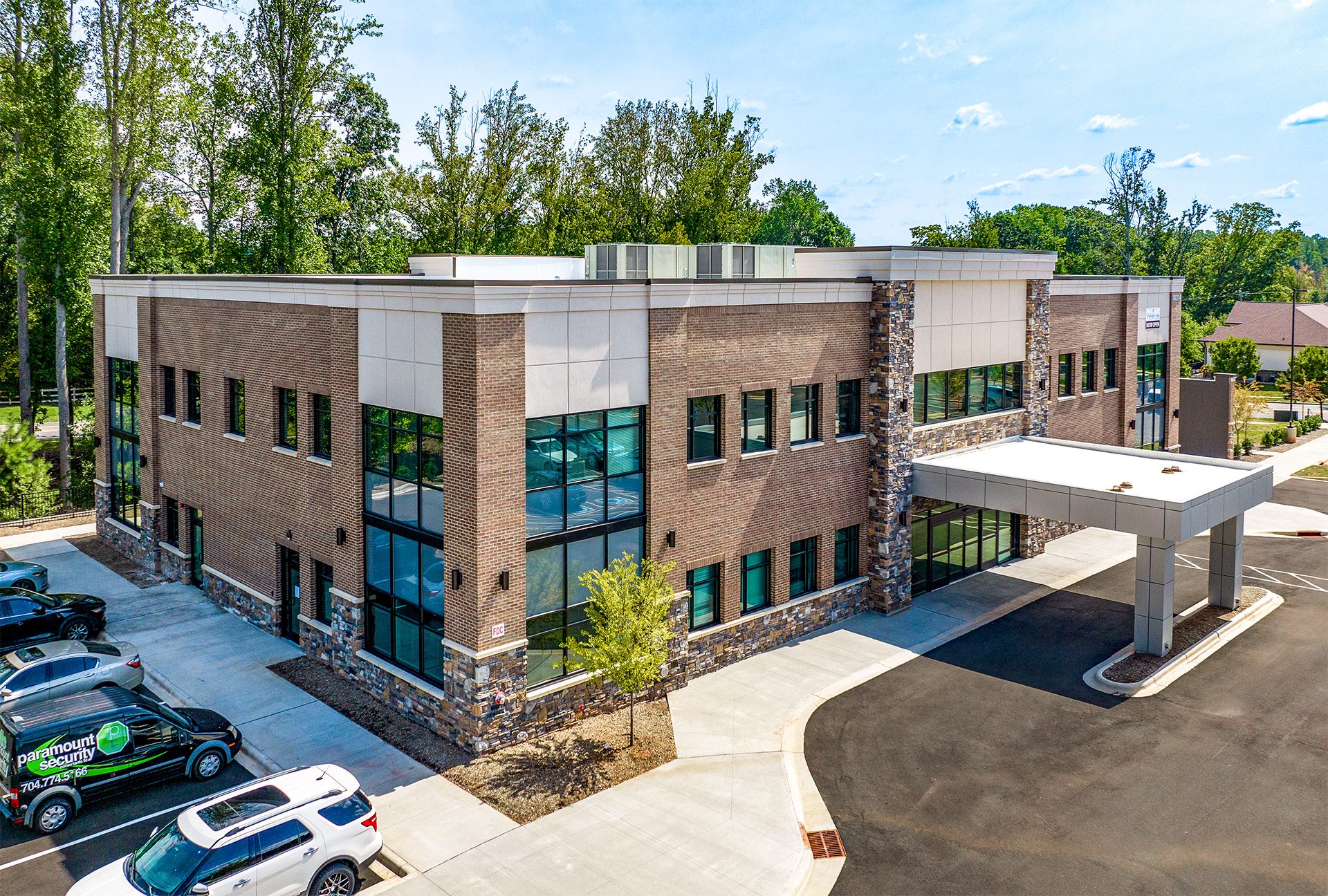
Medical office buildings (MOBs) have consistently proven to be one of the most stable property types in commercial real estate. In today’s environment of rising borrowing costs, shifting tenant demand, and broader market uncertainty, MOBs continue to stand out for their durability. While other asset classes wrestle with volatility, medical offices are supported by fundamentals that remain steady year after year. The reasons for their resilience are rooted in the essential nature of healthcare, the strength of tenant commitments, and the limited pace of new development.
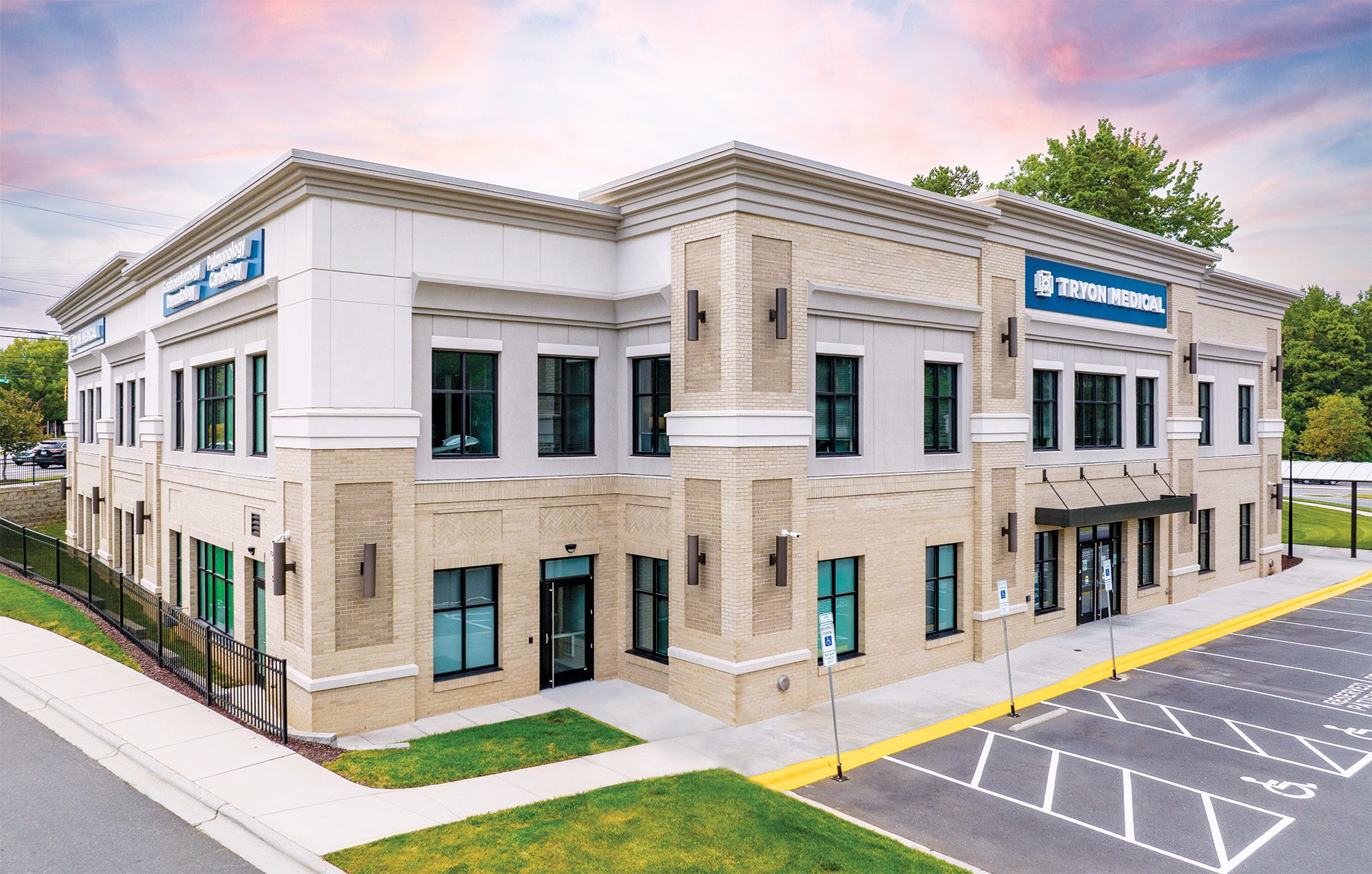
As investors weigh their options in 2025, the case for MOBs has only grown stronger. These assets are not just surviving market shifts; they are thriving because of long-term structural demand drivers that position them uniquely within commercial real estate.
Healthcare Demand is Steady, Not Cyclical
Unlike most industries, healthcare demand does not rise and fall with the broader economy. Even in recessions, people still need check-ups, diagnostic tests, urgent care visits, and ongoing treatments for chronic conditions. As populations grow and age, the need for medical services only increases. Demographics are on the side of MOBs, and that provides a cushion against cyclical downturns.
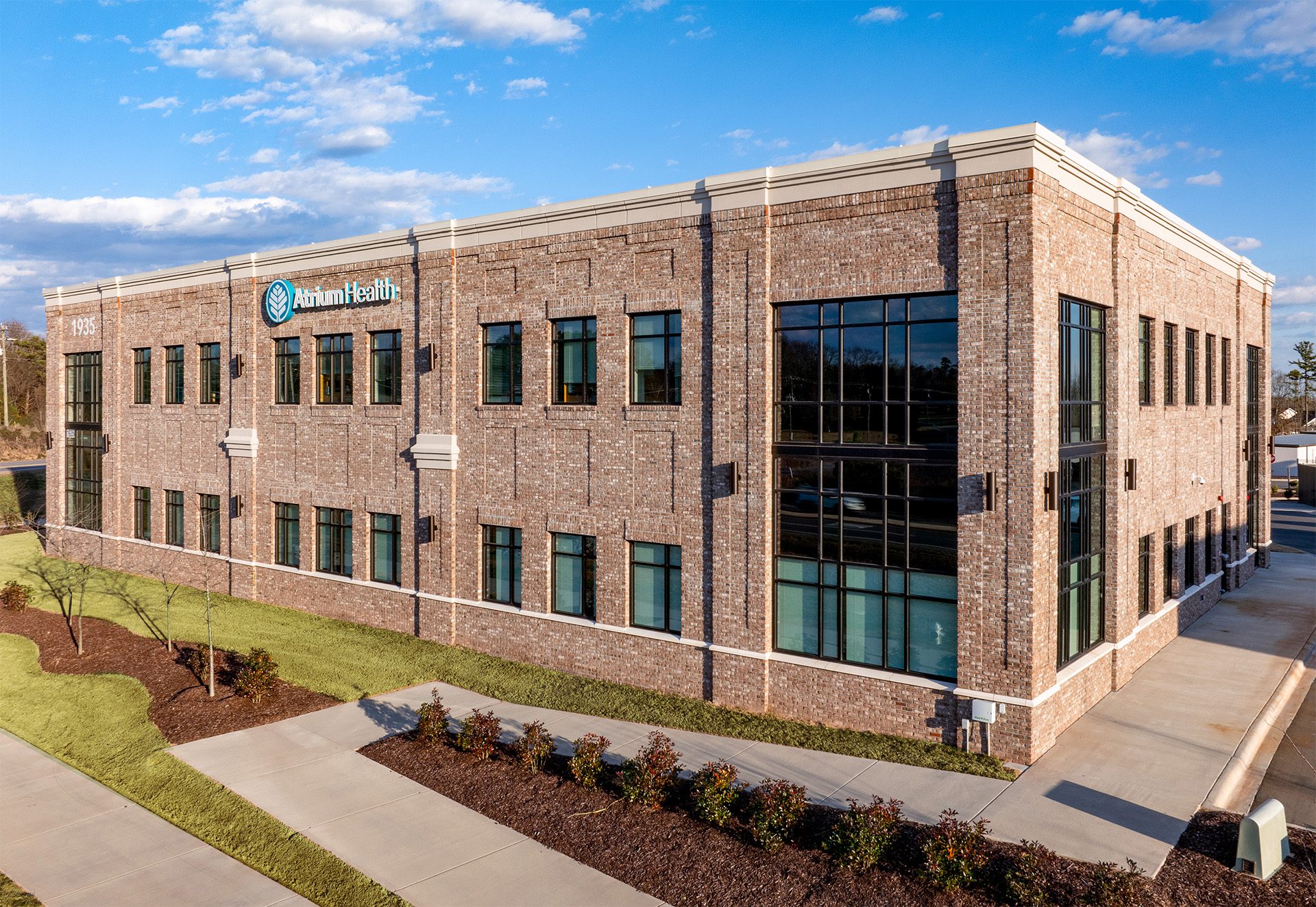
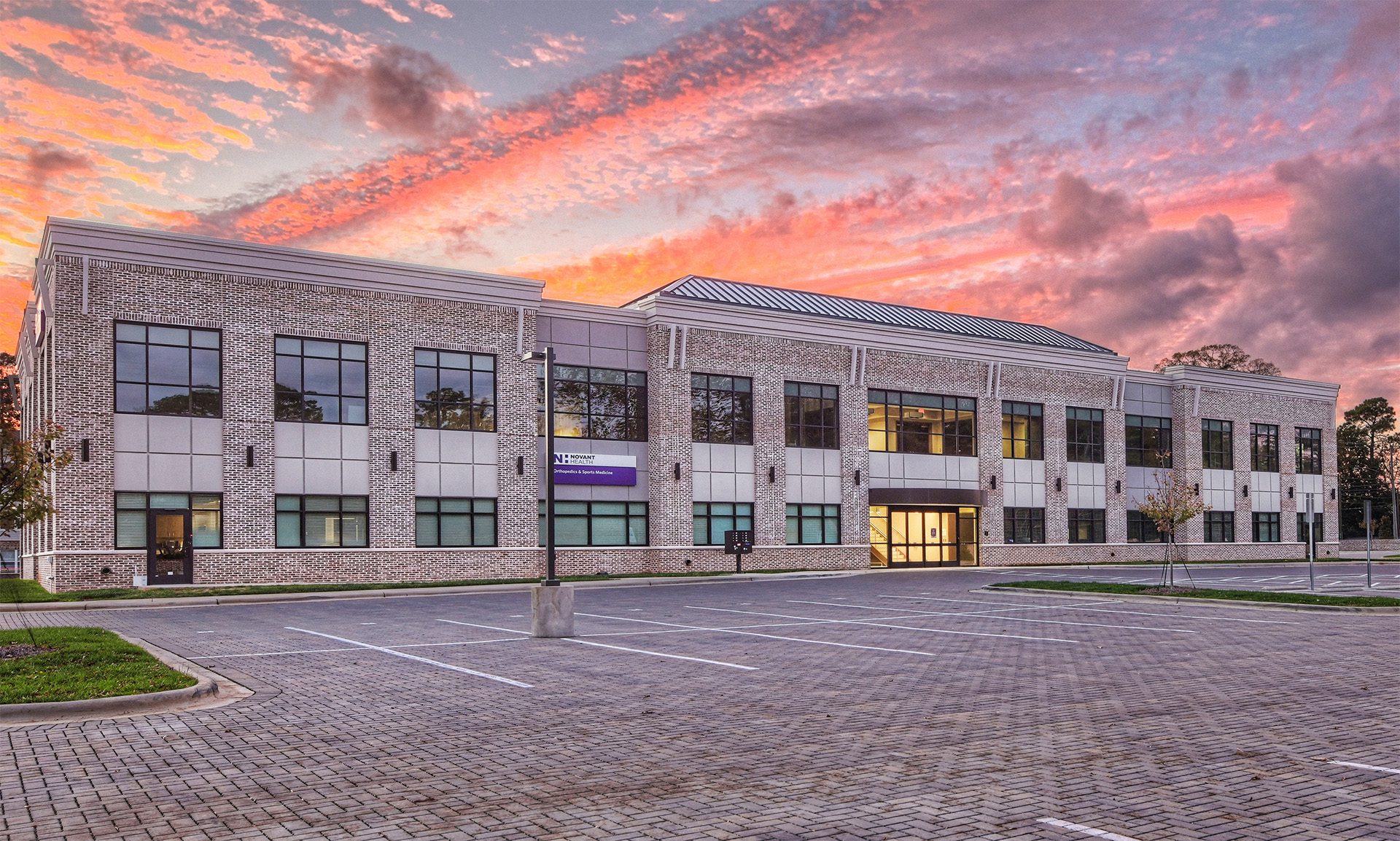
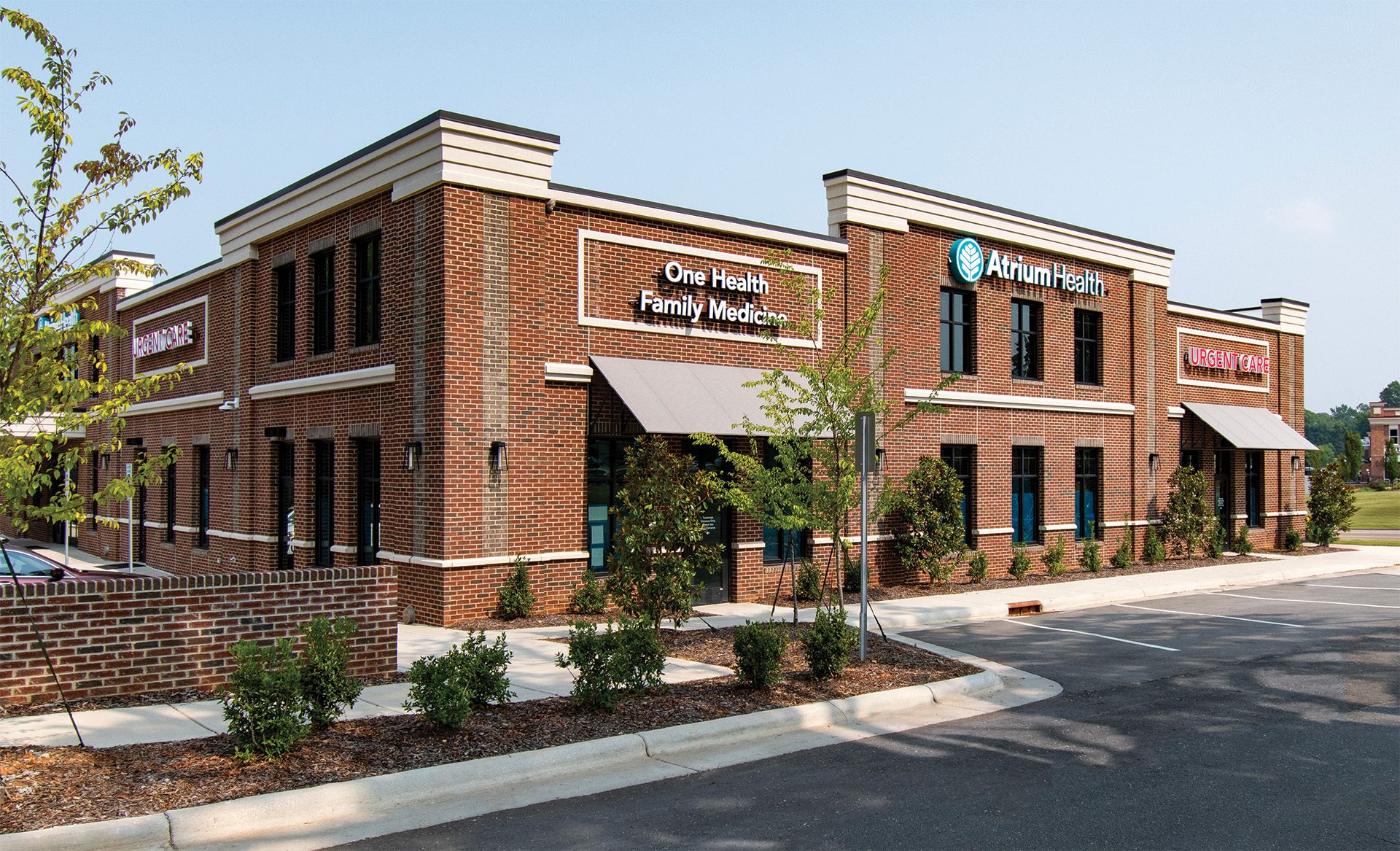
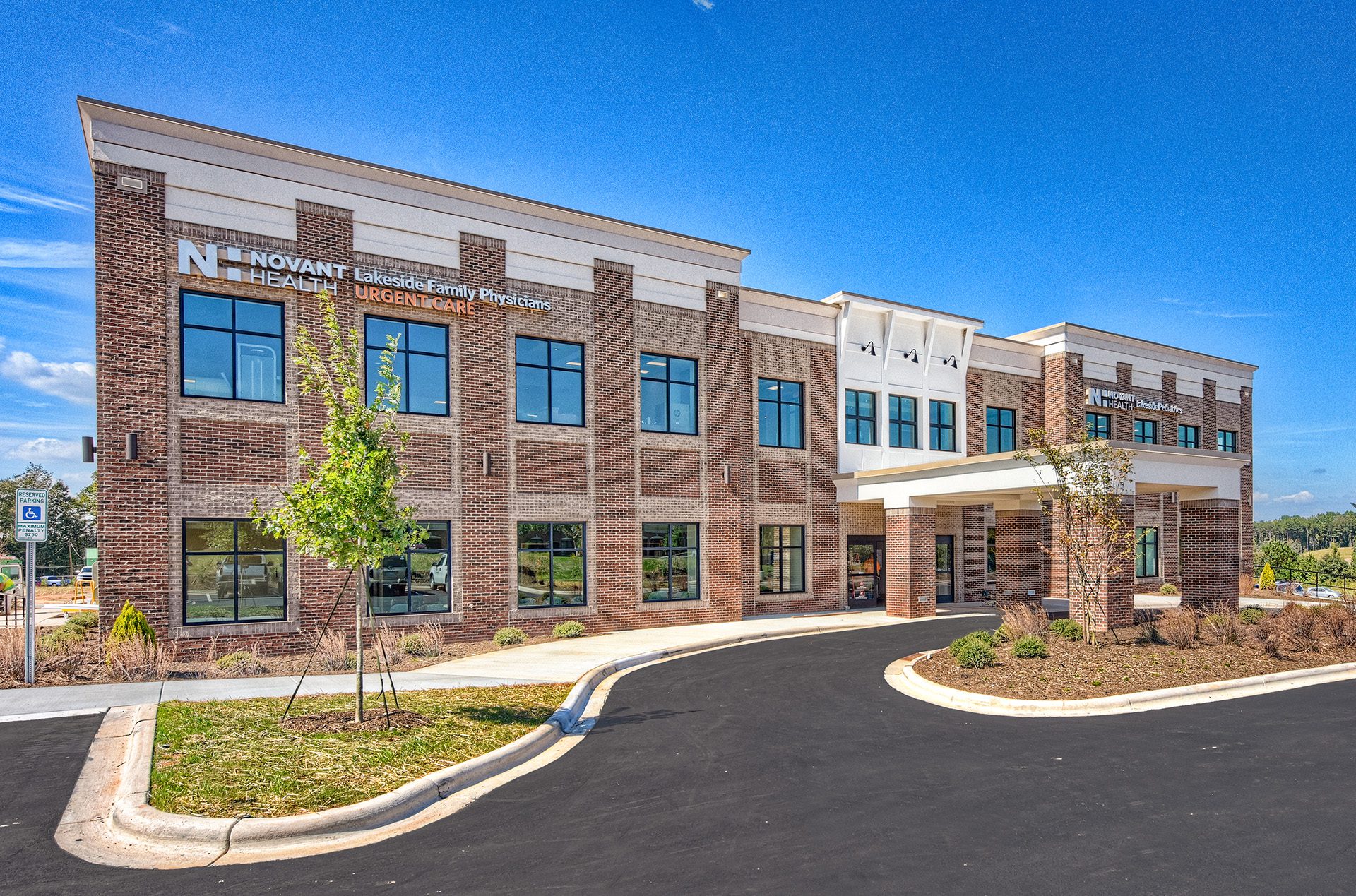
In growing regions like the Carolinas, health systems such as Atrium Health and Novant Health continue to expand their outpatient networks, opening facilities in suburban corridors where patients live and work. This shift toward outpatient care reflects broader trends in healthcare delivery. More services are being offered outside of traditional hospitals and closer to patients’ homes. That means more demand for well-located medical office properties.
Nationally, large private operators such as Fresenius Medical Care (dialysis), DaVita, and ATI Physical Therapy are also expanding footprints, showing how broad-based the demand is across specialties. From orthopedics to urgent care, from imaging centers to women’s health, the need for medical space touches nearly every community. Importantly, these services cannot be easily delayed or substituted. That makes healthcare a service category with a unique level of resilience compared to industries like retail or hospitality.
Long-Term Tenant Stability
Medical tenants are some of the most committed users of real estate. Unlike typical office tenants who can more easily relocate or downsize as business needs change, healthcare practices invest heavily in their spaces, making relocation costly and disruptive.
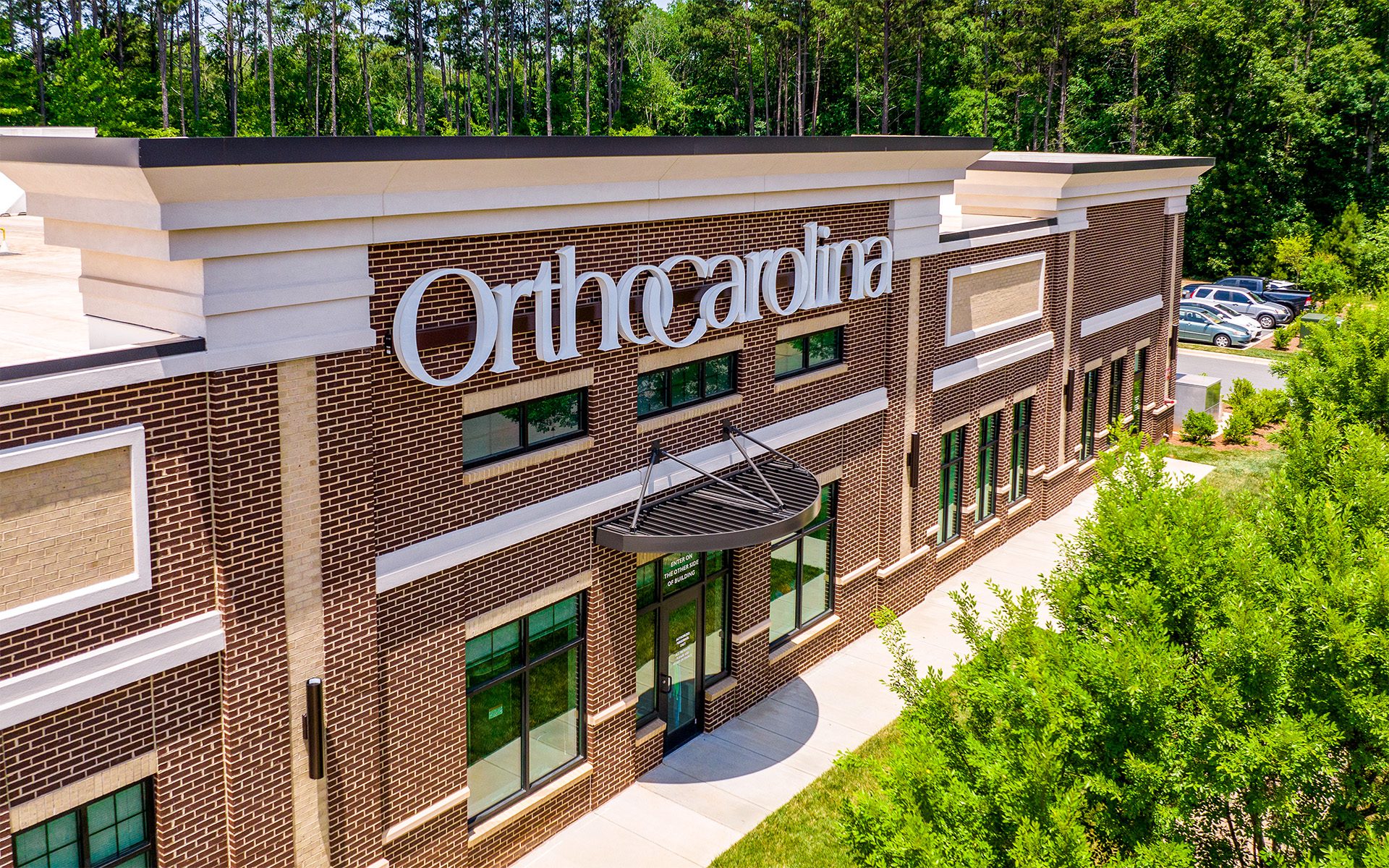
For example, a Carolina Orthopedic & Sports Medicine clinic with built-in surgical suites or a Quest Diagnostics lab outfitted with specialized equipment is highly unlikely to move. These tenants have often invested hundreds of thousands, if not millions, of dollars, into their buildouts. Specialized plumbing, imaging rooms, surgical prep areas, and compliance with health regulations are not features that can be easily replicated elsewhere.
Because of this, leases often run for 10 years or more, with strong renewal options that favor stability. When these leases come up for renewal, tenants are more likely to stay put than to incur the cost and disruption of moving. For owners, this translates into lower turnover, reduced downtime, and the ability to plan around long-term income streams. In a market where consistent cash flow is prized, MOBs provide exactly that.
Additionally, healthcare practices are deeply tied to patient loyalty and convenience. Relocating to a new building risks losing patients who may not want to travel farther or change routines. That embedded stickiness in tenant operations creates another layer of confidence for property owners and investors.
Limited New Supply Supports Existing Assets
High construction costs and the complexity of specialized medical buildouts have slowed the pace of new MOB development. Unlike standard office or retail buildings, medical office construction often requires reinforced floors, advanced HVAC systems, radiation shielding for imaging, or complex compliance with state healthcare regulations. These factors significantly increase costs and timelines for new projects.
At the same time, healthcare providers are selective about where they expand. They prefer established healthcare corridors and well-located suburban nodes that align with patient demand. In Charlotte, MOBs clustered around CaroMont Regional Medical Center in Gaston County and Atrium Health’s University City campus continue to see steady demand with little new competition. This means existing properties benefit from strong tenant interest without the threat of oversupply.
For current owners, this limited pipeline strengthens the value of their assets and supports rent stability. In markets where new development is constrained, landlords have greater pricing power. Even modest rent growth, combined with long-term tenancy, provides a reliable investment profile that appeals to both institutional and private capital.
Local Momentum in the Carolinas
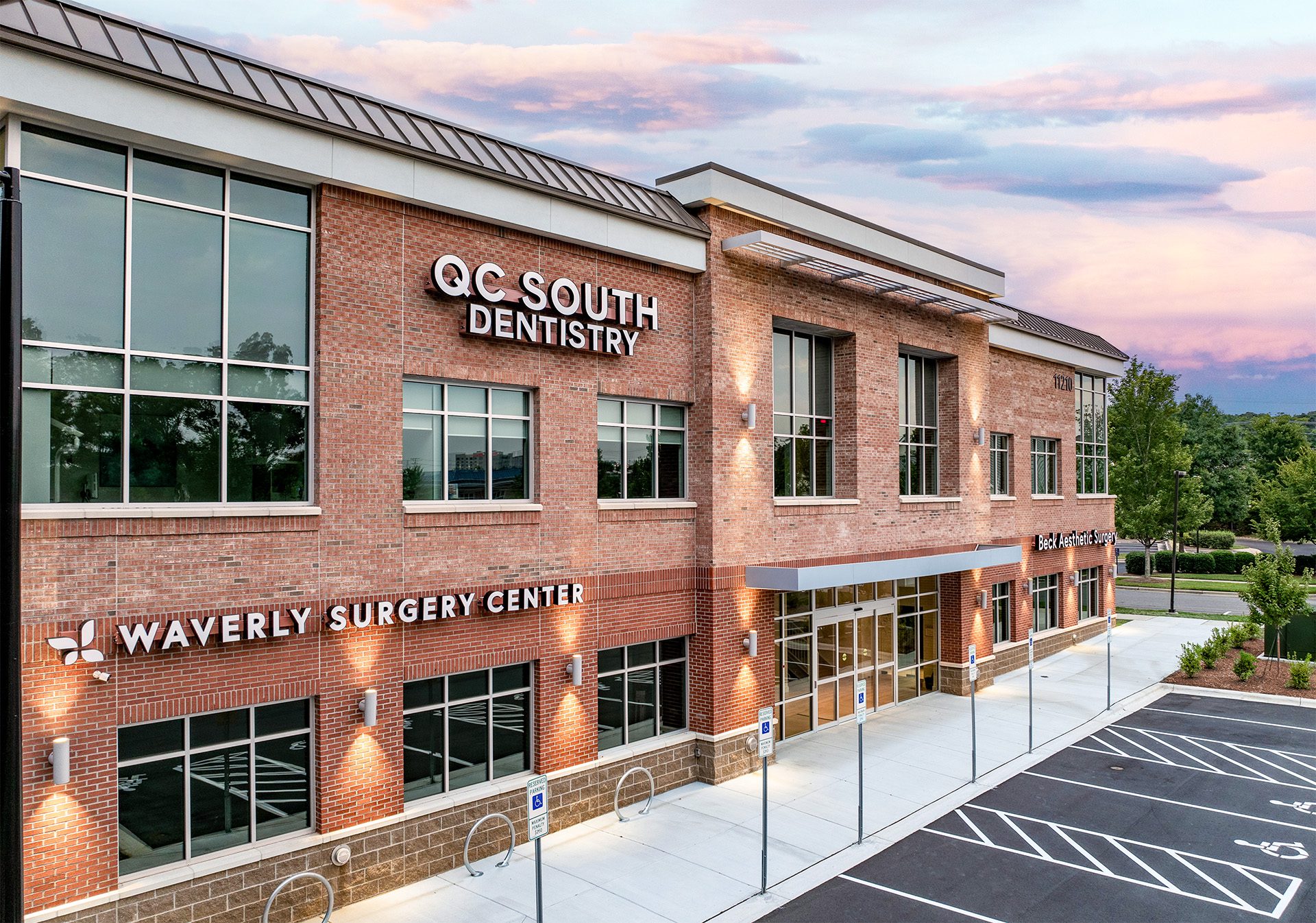
The Carolinas provide a particularly strong example of why MOBs remain resilient in 2025. Across Charlotte, Raleigh, and Greenville, MOB leasing activity remains steady, particularly from regional practices in dentistry, urgent care, imaging, and women’s health. These practices often thrive in suburban settings where patients prioritize accessibility and convenience.
National tenants like Aspen Dental, Heartland Dental, and MedExpress Urgent Care have also been active in securing locations throughout suburban corridors. Many of these providers are not only leasing medical offices but also serving as anchors in neighborhood centers, positioned alongside complementary retail tenants like pharmacies or grocery stores. This blending of healthcare and retail further strengthens the ecosystem of convenience-driven demand.
In addition, landlords and developers are increasingly repurposing underutilized office and retail space into medical use. With traditional office markets facing vacancies and some retail centers in transition, converting these spaces into medical offices creates a win-win scenario. Investors gain stable tenants, and providers gain locations that align with patient expectations for accessibility. This adaptive reuse trend is expected to continue throughout 2025 and beyond, offering another channel of opportunity for medical office growth.
Why Investors Are Drawn to MOBs
For investors, the appeal of MOBs goes beyond tenant stability and demographic demand. These properties also tend to attract creditworthy tenants, including well-capitalized health systems and national providers. Compared to other office or retail tenants, these healthcare operators often have stronger financial backing, which reduces risk for landlords.
MOBs also align well with strategies such as 1031 exchanges and sale-leasebacks. Physicians and healthcare groups that own their real estate are increasingly open to sale-leasebacks, unlocking capital tied to property ownership while remaining in place as long-term tenants. For investors, this arrangement delivers both stability and predictable returns.
On the institutional side, healthcare real estate investment trusts (REITs) continue to allocate capital toward MOBs, reinforcing their value as a core asset class. Private equity groups and family offices are also increasingly active, recognizing the combination of downside protection and steady income growth.
A Broader Market Contrast
When viewed against the backdrop of other commercial real estate sectors in 2025, the durability of MOBs stands out even more. Traditional office markets remain challenged by hybrid work models, leading to vacancies and reduced demand in many urban cores. Retail continues to adjust to e-commerce headwinds, with only necessity-based retail holding strong. Industrial, while resilient, has faced cooling from peak pandemic-driven growth.
In this environment, MOBs provide a middle ground: a necessity-driven tenant base, steady demand, and limited competition. The resilience of medical office buildings is not just a function of healthcare’s essential nature but also of how uniquely they are positioned within the real estate spectrum. They combine the stability of necessity retail with the long-term tenancy often associated with industrial, creating a hybrid profile that appeals across the investor landscape.
Takeaway
Medical office buildings remain resilient in 2025 because they are tied to an essential service, supported by long-term tenants, and protected by supply constraints. The presence of well-capitalized health systems and creditworthy national providers only strengthens this foundation. For investors evaluating dispositions, acquisitions, 1031 exchanges, or sale-leasebacks, MOBs continue to offer a compelling balance of stability and growth potential in a changing market.
At a time when many property sectors face structural headwinds, MOBs provide clarity and confidence. They are a reminder that some real estate assets are not only resistant to cycles but are also positioned to grow in strength as demographic trends and patient expectations evolve. In 2025 and beyond, medical office buildings remain a cornerstone of resilient investing.